unbeliever — a person who does not believe in a particular religion or in religious faith generally
Part of speech: NOUN
Definition: a person who does not believe in a particular religion or in religious faith generally
Pronunciation (IPA): /ˌʌnbɪˈliːvər/
Example Sentences
- The missionary tried to convince the unbeliever with chocolate cookies, but she was more interested in the recipe than the sermon.
- As an unbeliever, he questioned everything, including why hot dogs come in packs of 10 but buns come in packs of 8.
- The debate between believers and unbelievers continued late into the night.
unbeliever
NOUN[/ˌʌnbɪˈliːvər/]
a person who does not believe in a particular religion or in religious faith generally
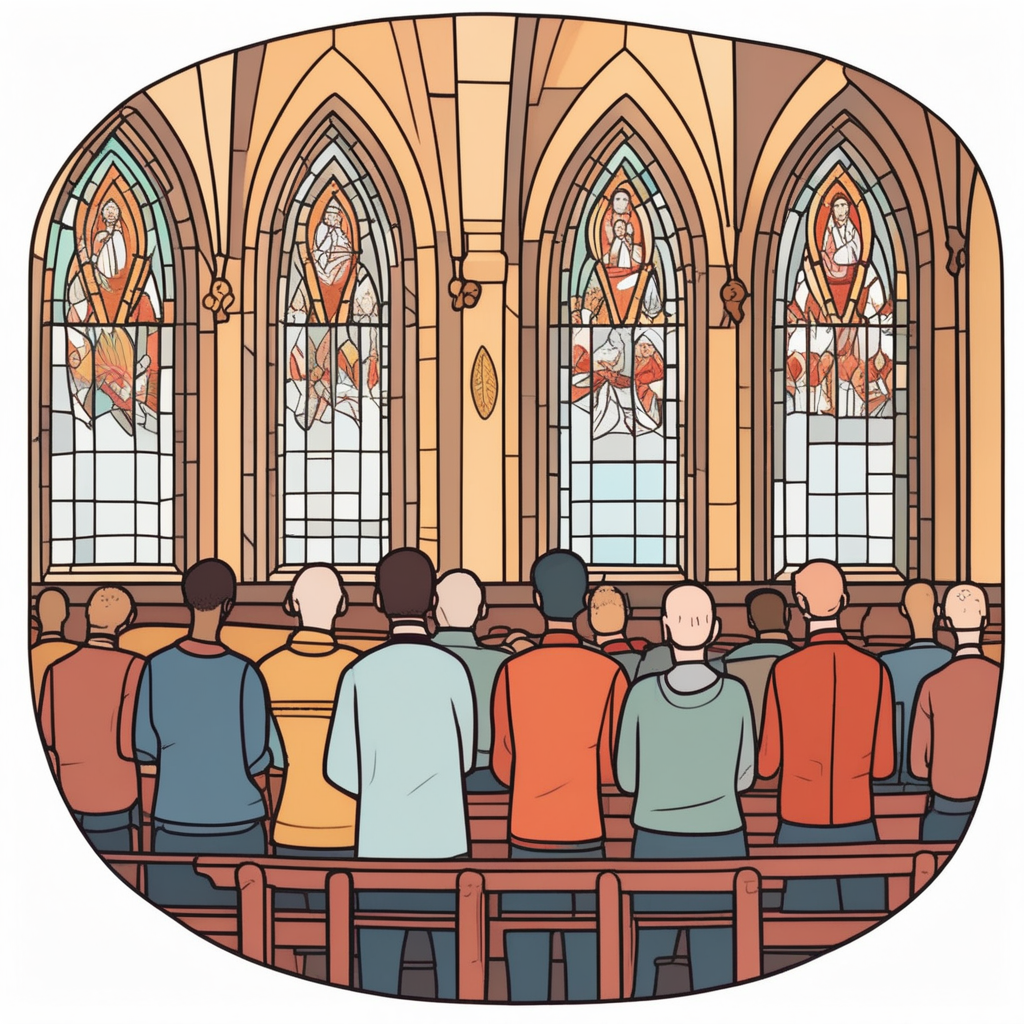
Someone who doesn't believe in religion

The believer finds a reliever, while the unbeliever just observes.
Got the picture? Now let's practice.
🎤Pronunciation
🌳Etymology
Origin
The word originated in Old English as a combination of the negative prefix 'un-' and the verb 'believe', forming a compound that literally means 'one who does not believe'. The term reflects the linguistic productivity of Old English in creating agent nouns through the suffix '-er' to denote persons characterized by a particular action or state.
Breakdown
un- (not, negation) + believe (from Old English 'belyfan', meaning to have faith or trust) + -er (agent suffix denoting a person who performs an action or possesses a quality).
🎵Rhyme
🔗Collocations
📝Examples
“The missionary tried to convince the unbeliever with chocolate cookies, but she was more interested in the recipe than the sermon.”
“As an unbeliever, he questioned everything, including why hot dogs come in packs of 10 but buns come in packs of 8.”
“The debate between believers and unbelievers continued late into the night.”
“She remained an unbeliever despite growing up in a deeply religious family.”
📚Related Words
Synonyms
Antonyms
Related
Want to master 19,000+ words?
Sign up free for flashcards & quizzes.