stale — no longer fresh; having lost its original quality due to age or exposure
Part of speech: ADJECTIVE
Definition: no longer fresh; having lost its original quality due to age or exposure
Pronunciation (IPA): /steɪl/
Example Sentences
- My roommate's dating advice is as stale as week-old pizza.
- The comedian's stale routine made the audience check their phones.
- She refused to eat the stale cookies from last week's meeting.
stale
ADJECTIVE[/steɪl/]
no longer fresh; having lost its original quality due to age or exposure
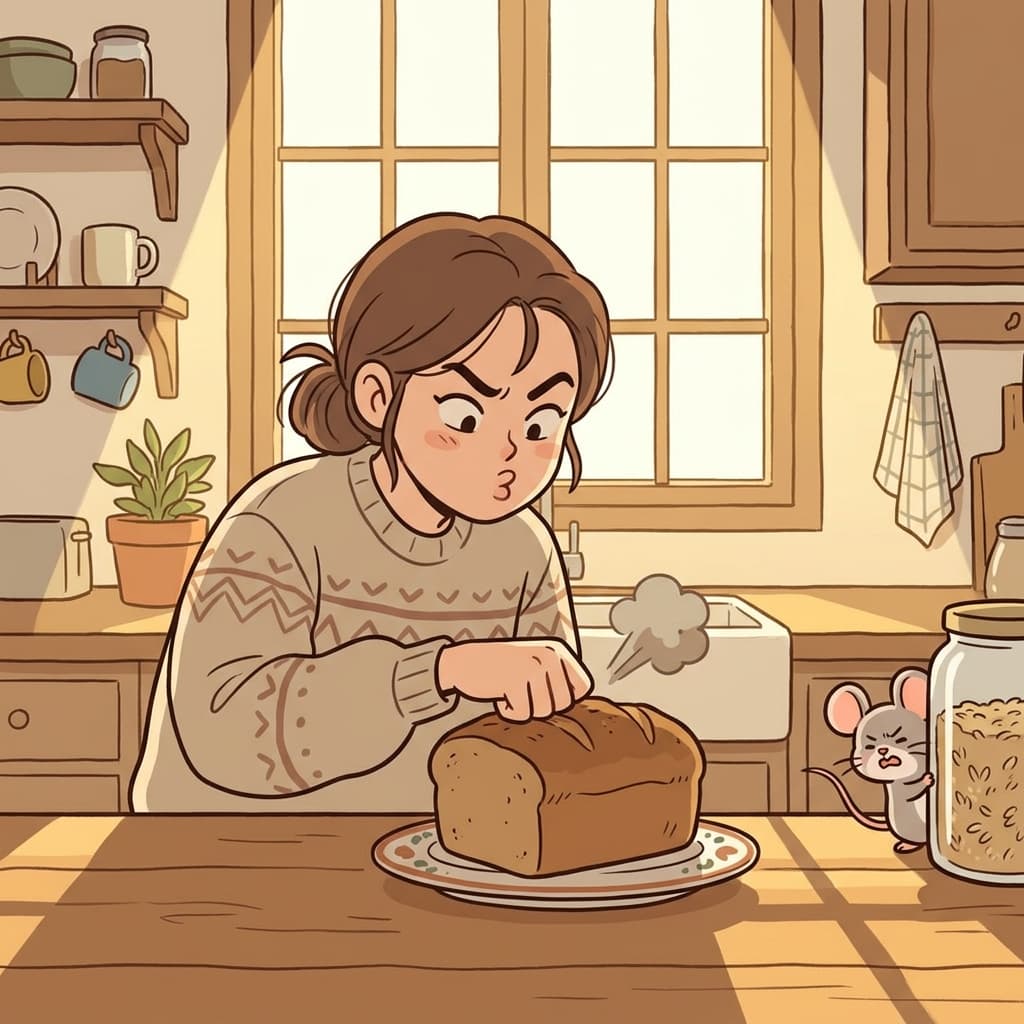
The bread had gone stale after sitting out for three days.
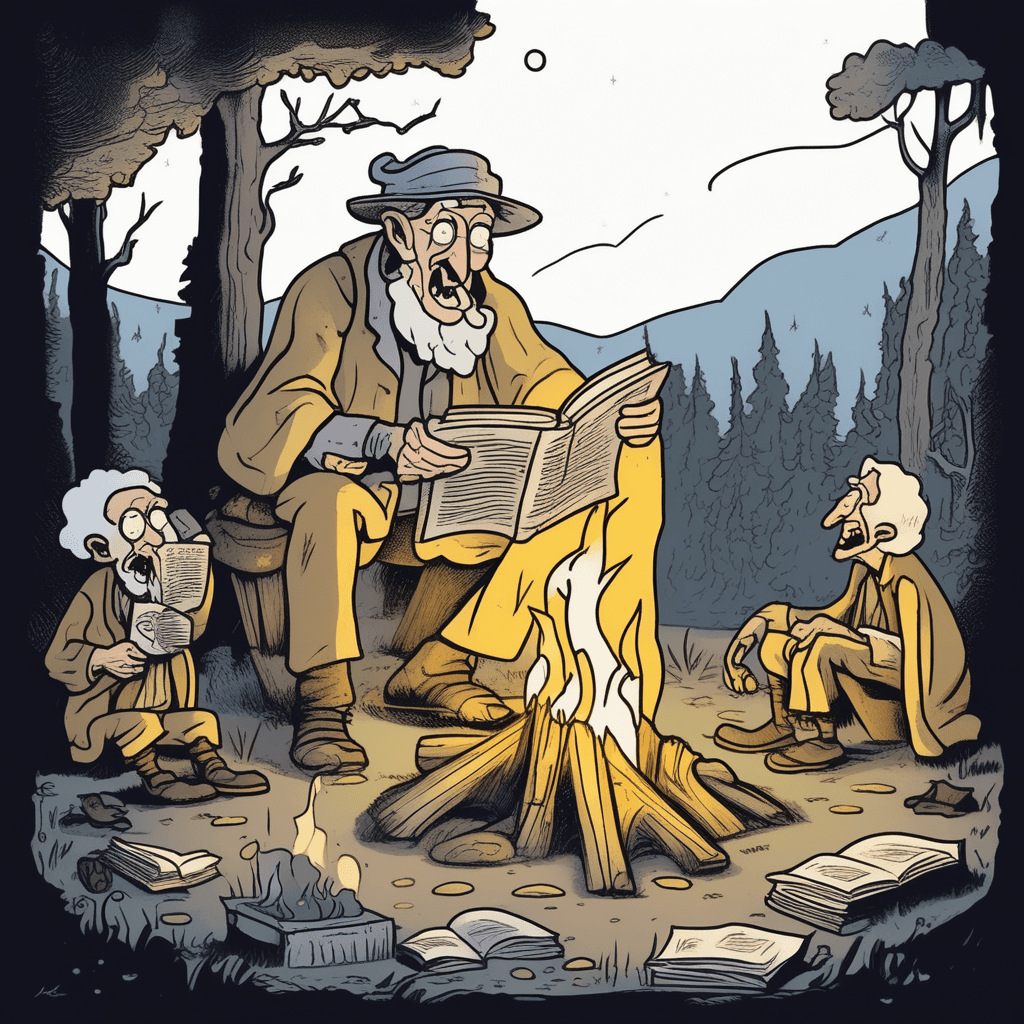
A stale tale told with a pale face
Got the picture? Now let's practice.
🎤Pronunciation
🌳Etymology
Origin
From Middle English and Old French 'estale,' derived from Germanic roots meaning 'standing' or 'fixed.' The word originally referred to something that had been standing or exposed for a long time, losing its freshness.
Breakdown
stale - from Old French 'estale' (standing, fixed) + suffix -e, ultimately from Germanic 'stal' (position, place) = stale (no longer fresh, worn out)
🎵Rhyme
🔗Collocations
📝Examples
“My roommate's dating advice is as stale as week-old pizza.”
“The comedian's stale routine made the audience check their phones.”
“She refused to eat the stale cookies from last week's meeting.”
“The office atmosphere became stale after years without innovation.”
📚Related Words
Want to master 27,000+ words?
Sign up free for flashcards & quizzes.