rankling — causing persistent feelings of resentment, irritation, or bitterness
Part of speech: ADJECTIVE
Definition: causing persistent feelings of resentment, irritation, or bitterness
Pronunciation (IPA): /ˈræŋklɪŋ/
Example Sentences
- The rankling memory of being passed over for promotion made him consider quitting.
- Her mother's rankling comment about her hair choice is still bothering her at the wedding.
- The rankling sense that he had been cheated out of the prize never left him.
rankling
ADJECTIVE[/ˈræŋklɪŋ/]
causing persistent feelings of resentment, irritation, or bitterness

Persistent resentment eating away inside
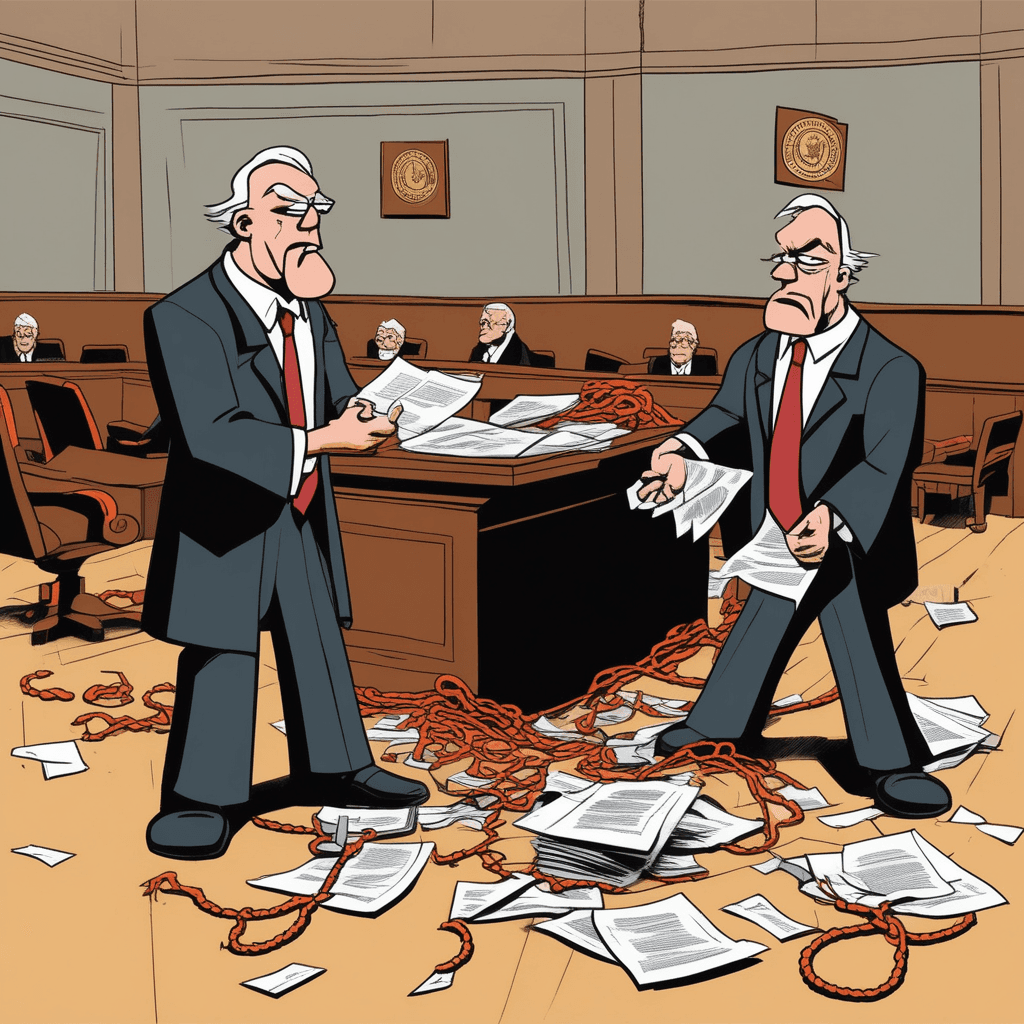
Rankling grudges keep them tangling, turning justice into wrangling
Got the picture? Now let's practice.
🎤Pronunciation
🌳Etymology
Origin
Rankling derives from 14th-century Old French 'rancler', meaning 'to fester' or 'to become inflamed'. The term originally referred to physical suppuration of wounds, but gradually extended metaphorically to describe emotional or psychological pain that persists and festers in the mind, evolving to mean 'to cause lasting resentment or bitterness'.
Breakdown
Old French 'rancler' (to fester, to inflame) + -ing (present participle suffix). The root 'rancl-' relates to the formation of infected tissue, with the suffix converting the verb to a present participle form indicating an ongoing state of irritation or resentment.
🎵Rhyme
🔗Collocations
📝Examples
“The rankling memory of being passed over for promotion made him consider quitting.”
“Her mother's rankling comment about her hair choice is still bothering her at the wedding.”
“The rankling sense that he had been cheated out of the prize never left him.”
“Despite winning the game, his teammate's rankling criticism about his playing style ruined the victory.”
📚Related Words
Want to master 27,000+ words?
Sign up free for flashcards & quizzes.