passively — in a way that accepts or allows what happens without active response or resistance
Part of speech: ADVERB
Definition: in a way that accepts or allows what happens without active response or resistance
Pronunciation (IPA): /ˈpæsɪvli/
Example Sentences
- My cat passively judges my life choices from the windowsill.
- Students should not passively receive information but actively participate in discussions.
- He passively scrolled through social media for three hours straight.
passively
ADVERB[/ˈpæsɪvli/]
in a way that accepts or allows what happens without active response or resistance

He sat passively while others made the decisions.
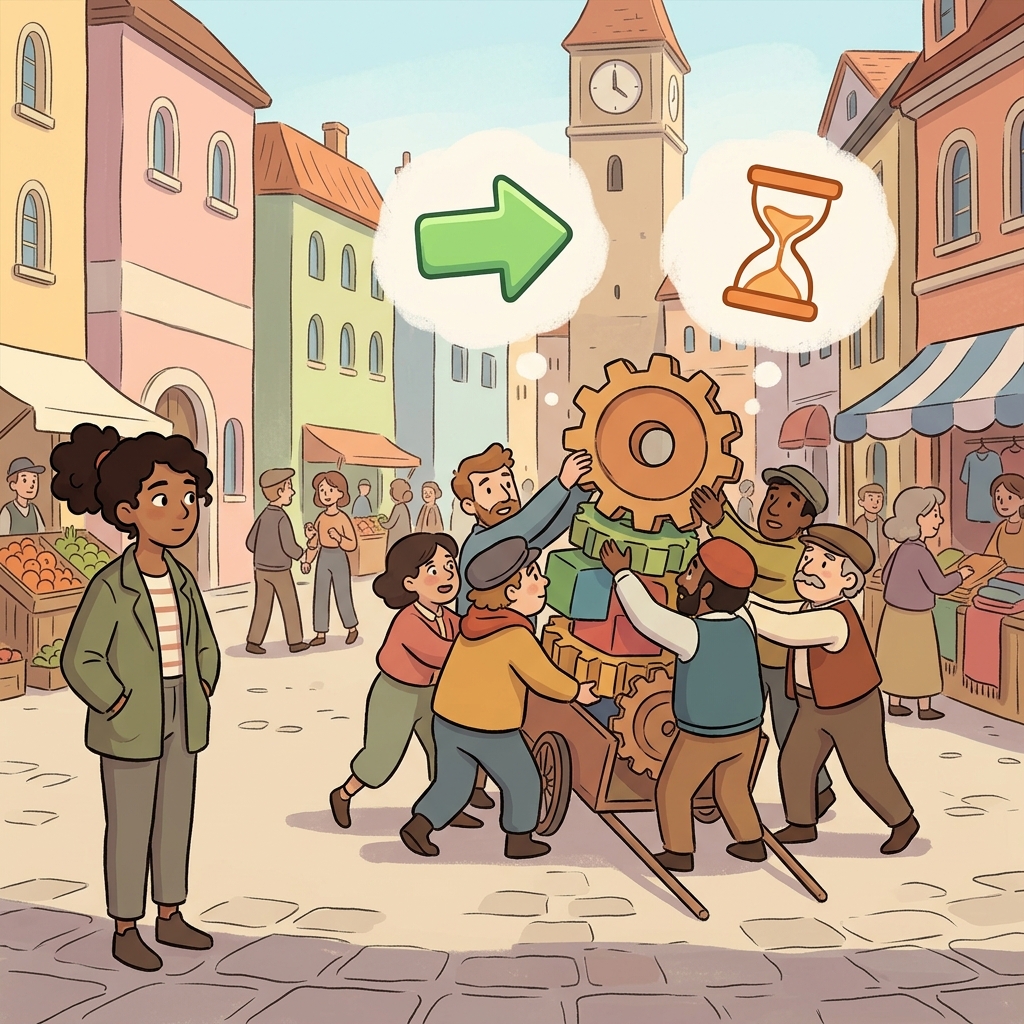
She stood passively and watched the events unfold. (PASS + WAIT = PASSIVE → letting things happen instead of acting)
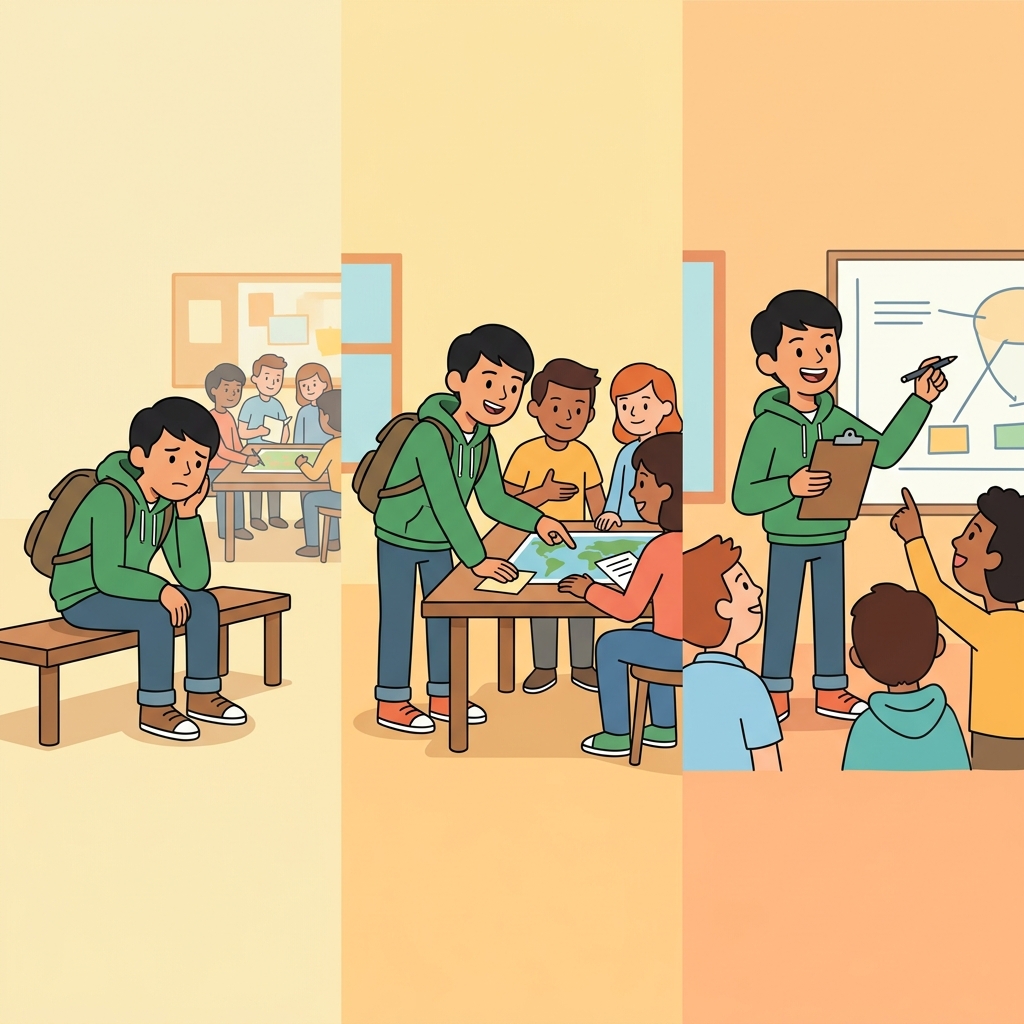
Don't act passively—be active and proactive.
Got the picture? Now let's practice.
🎤Pronunciation
🌳Etymology
🎵Rhyme
🔗Collocations
📝Examples
“My cat passively judges my life choices from the windowsill.”
“Students should not passively receive information but actively participate in discussions.”
“He passively scrolled through social media for three hours straight.”
“The dog passively endured the embarrassing costume fitting.”
📚Related Words
Synonyms
Antonyms
Related
Want to master 19,000+ words?
Sign up free for flashcards & quizzes.