truism — A statement that is obviously true and says nothing new or interesting; a self-evident truth.
Part of speech: NOUN
Definition: A statement that is obviously true and says nothing new or interesting; a self-evident truth.
Pronunciation (IPA): /ˈtruɪzəm/
Example Sentences
- Saying 'life is short' is just a truism that doesn't help anyone.
- The professor's lecture was full of truisms like 'hard work leads to success.'
- My grandmother loves sharing truisms like 'An apple a day keeps the doctor away.'
truism
NOUN[/ˈtruɪzəm/]
A statement that is obviously true and says nothing new or interesting; a self-evident truth.

A statement that is obviously true and says nothing new or interesting; a self-evident truth.
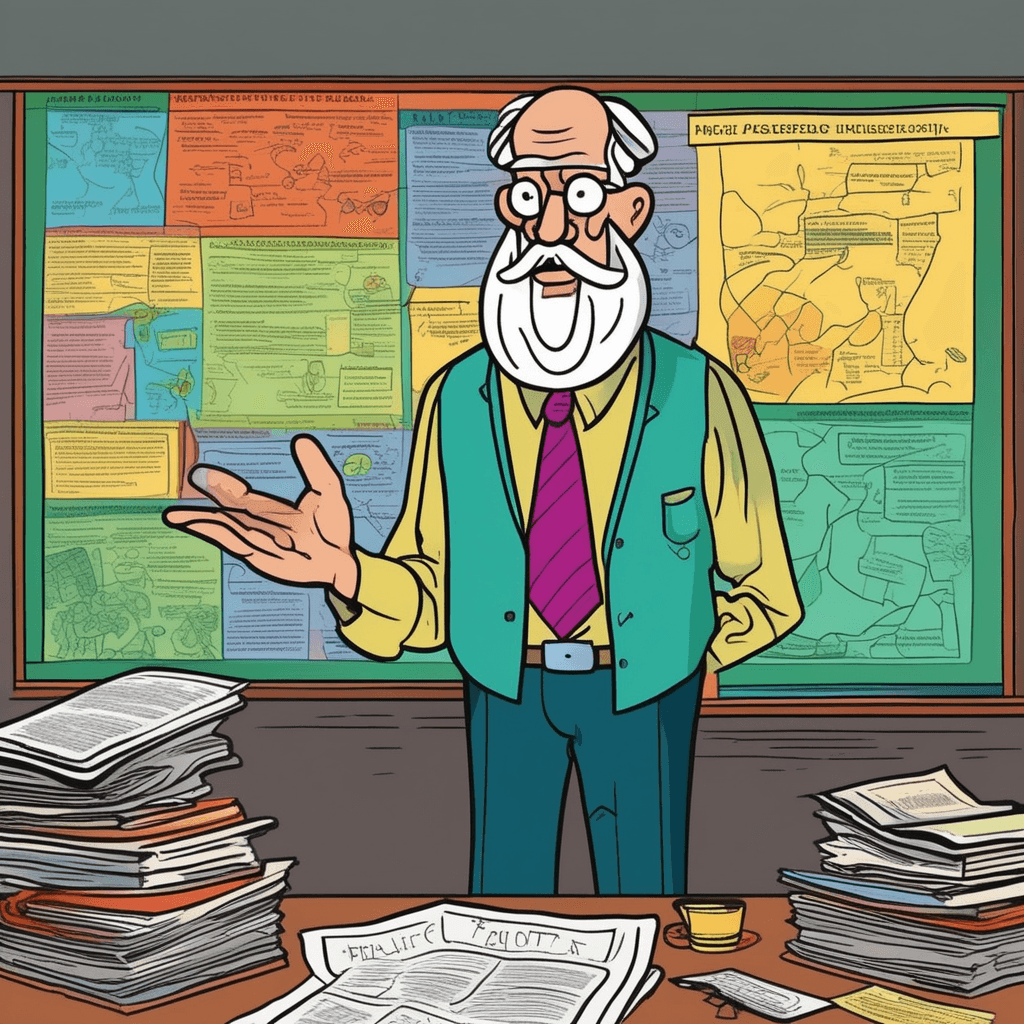
Beyond journalism and buddhism lies simple truism!
Got the picture? Now let's practice.
🎤Pronunciation
🌳Etymology
Origin
From English 'true' combined with the suffix '-ism', first appearing in the 17th century. Originally meant simply 'a true statement' but evolved to mean 'an obvious truth that doesn't need to be stated.'
Breakdown
true (genuine, factual) + -ism (state, condition, or doctrine)
🎵Rhyme
📝Examples
“Saying 'life is short' is just a truism that doesn't help anyone.”
“The professor's lecture was full of truisms like 'hard work leads to success.'”
“My grandmother loves sharing truisms like 'An apple a day keeps the doctor away.'”
“His speech was nothing but truisms that we've all heard a million times.”
📚Related Words
Antonyms
Want to master 27,000+ words?
Sign up free for flashcards & quizzes.