disenfranchise — to deprive someone of the right to vote or other rights of citizenship
Part of speech: VERB
Definition: to deprive someone of the right to vote or other rights of citizenship
Pronunciation (IPA): /ˌdɪsɪnˈfræntʃaɪz/
Example Sentences
- The strict ID requirements might disenfranchise elderly voters who don't drive.
- My gaming addiction disenfranchised me from real-world social activities.
- The company's merger could disenfranchise small shareholders.
disenfranchise
VERB[/ˌdɪsɪnˈfræntʃaɪz/]
to deprive someone of the right to vote or other rights of citizenship

New laws disenfranchise thousands of voters before the election even begins.
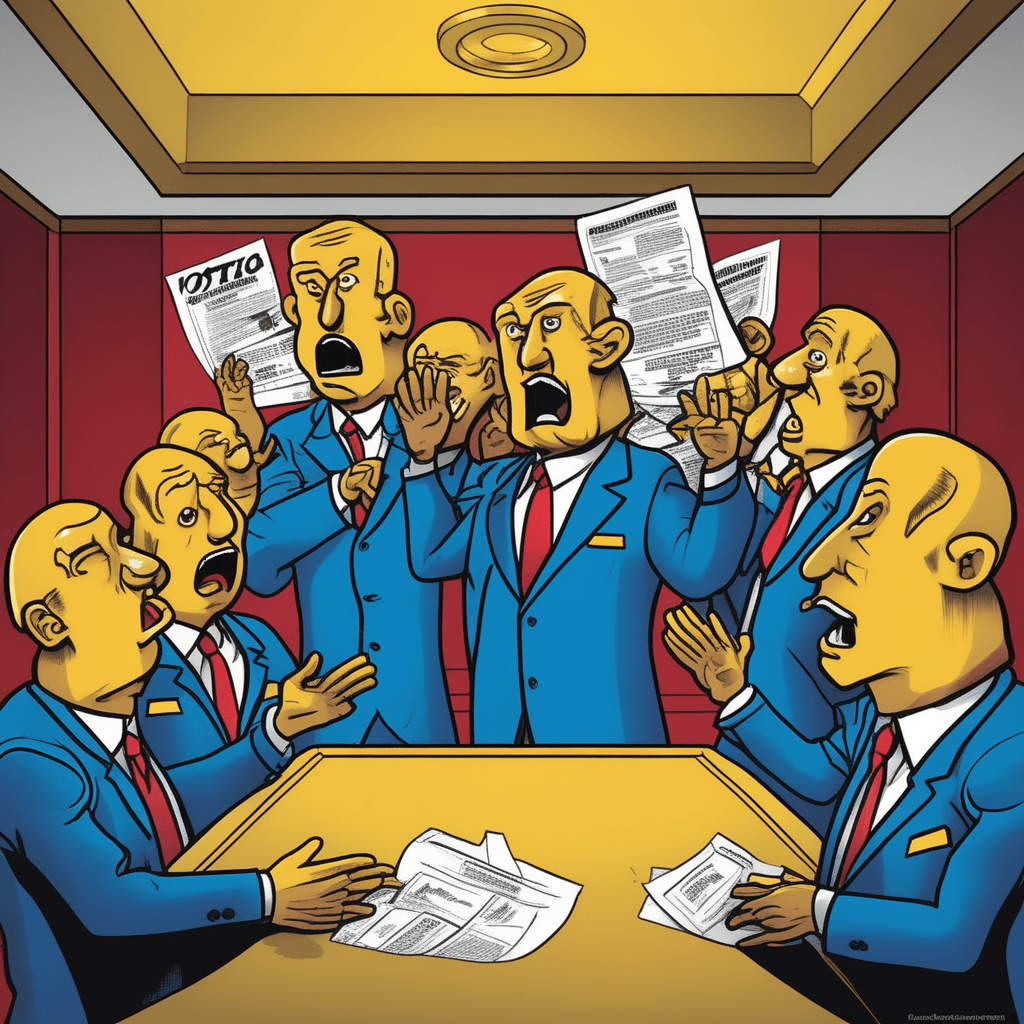
Big enterprise can disenfranchise the franchise
Got the picture? Now let's practice.
🎤Pronunciation
🌳Etymology
Origin
From Old French 'franchir' meaning 'to free' or 'to grant rights,' combined with the prefix 'dis-' meaning 'to reverse' or 'remove.' The word emerged in English during the 17th century to describe the removal of citizenship rights.
Breakdown
dis- (reverse/remove) + en- (put into) + franchise (right/privilege) + -ise (verb suffix) = disenfranchise
🎵Rhyme
🔗Collocations
📝Examples
“The strict ID requirements might disenfranchise elderly voters who don't drive.”
“My gaming addiction disenfranchised me from real-world social activities.”
“The company's merger could disenfranchise small shareholders.”
“Being disenfranchised from the family pizza vote was the worst punishment imaginable.”
📚Related Words
Want to master 27,000+ words?
Sign up free for flashcards & quizzes.