vernacular — the language or dialect spoken by the ordinary people in a particular country or region
Part of speech: NOUN
Definition: the language or dialect spoken by the ordinary people in a particular country or region
Pronunciation (IPA): /vərˈnækjələr/
Example Sentences
- The professor abandoned academic jargon and explained quantum physics in vernacular terms.
- My grandmother's vernacular includes phrases that would make sailors blush.
- The tourist struggled to understand the local vernacular at the market.
vernacular
NOUN[/vərˈnækjələr/]
the language or dialect spoken by the ordinary people in a particular country or region
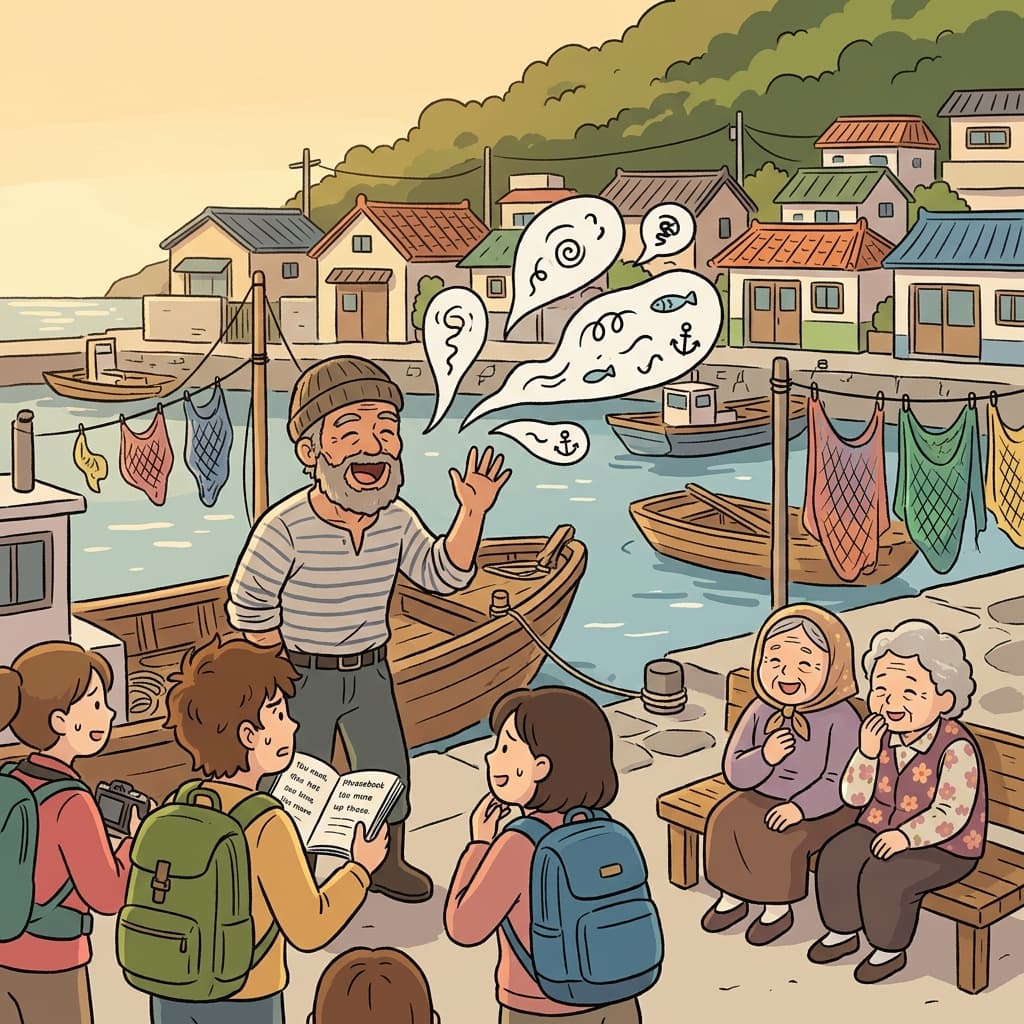
The old fisherman greets tourists in the local vernacular of his coastal village.
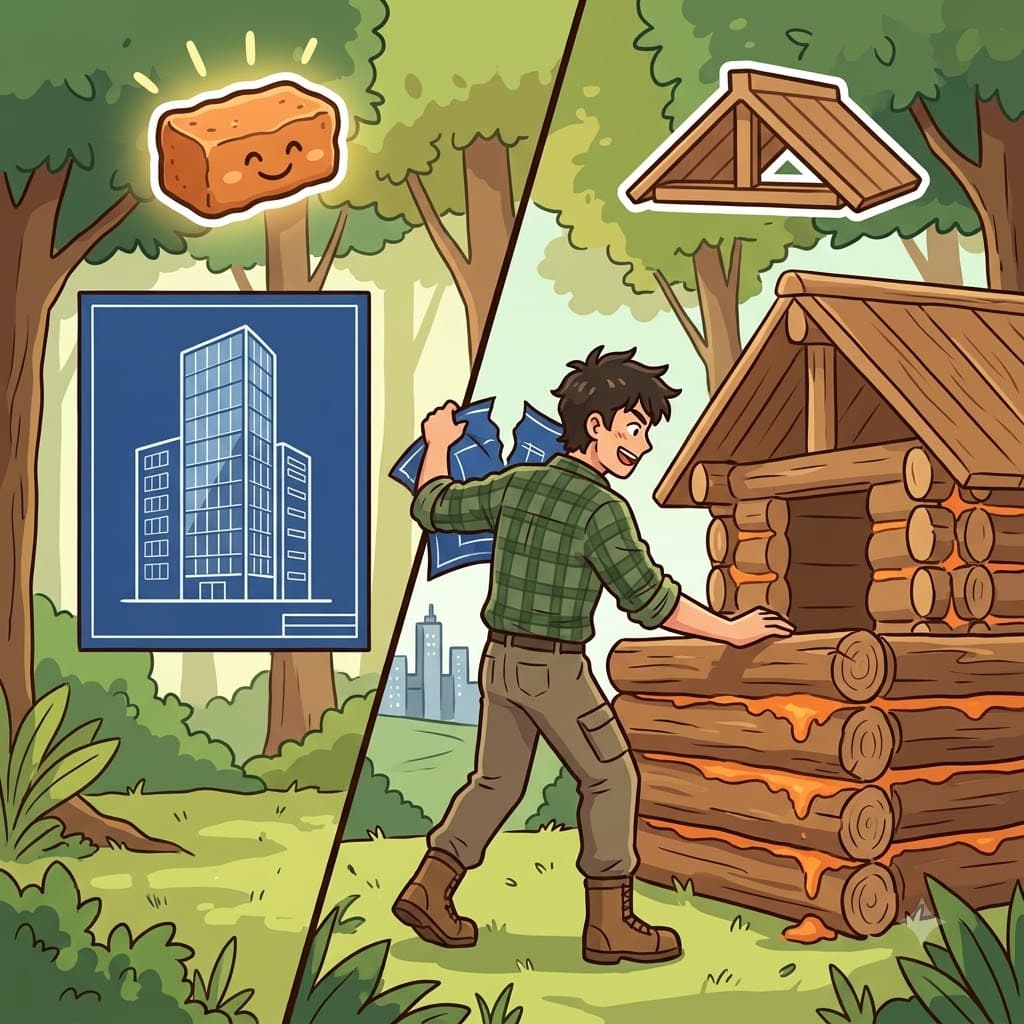
VERN(native) + ACULAR(pertaining to) — ignoring the modern glass blueprint, the builder aggressively used local mud and wood to build a house in the true native vernacular.

Because the director was highly particular, he demanded a visually spectacular stage play entirely spoken in the rough street vernacular.
Got the picture? Now let's practice.
🎤Pronunciation
🌳Etymology
Origin
From Latin 'vernaculus' meaning 'domestic' or 'native,' derived from 'verna' meaning 'slave born in one's house' or 'home-born.' The word originally referred to the language of common people as opposed to Latin used by the educated elite.
Breakdown
verna- (home-born, domestic) + -cul- (diminutive suffix) + -ar (adjective suffix) = vernacular
🎵Rhyme
🔗Collocations
📝Examples
“The professor abandoned academic jargon and explained quantum physics in vernacular terms.”
“My grandmother's vernacular includes phrases that would make sailors blush.”
“The tourist struggled to understand the local vernacular at the market.”
“In vernacular terms, the complicated recipe basically means 'throw everything in a pot and hope for the best.'”
📚Related Words
Want to master 27,000+ words?
Sign up free for flashcards & quizzes.