timbre — the distinctive quality of tone of a musical sound or voice
Part of speech: NOUN
Definition: the distinctive quality of tone of a musical sound or voice
Pronunciation (IPA): /ˈtæmbər/
Example Sentences
- The singer's nasal timbre made everyone think of a cartoon duck.
- Each instrument in the orchestra has its own unique timbre.
- His guitar's timbre sounded like a cat walking on piano keys.
timbre
NOUN[/ˈtæmbər/]
the distinctive quality of tone of a musical sound or voice
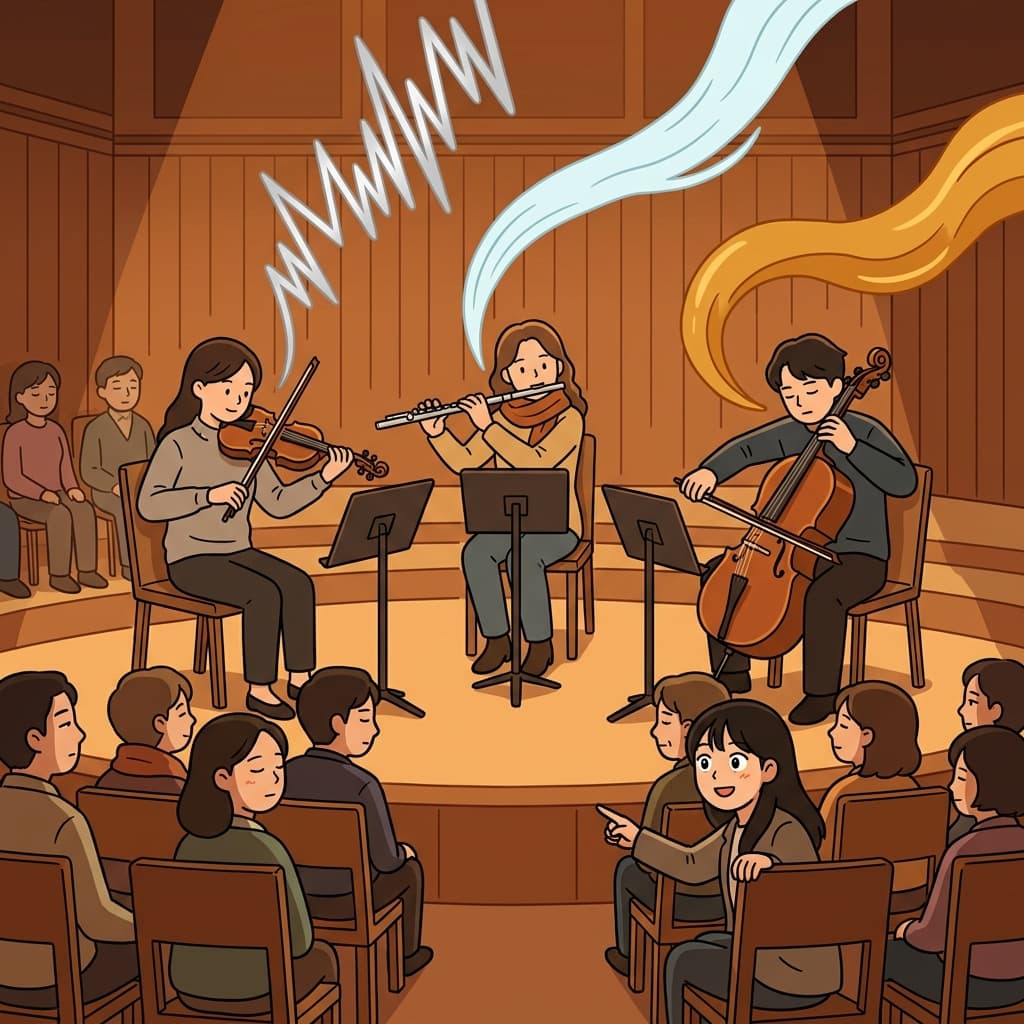
You can tell it's a cello by its warm, woody timbre.
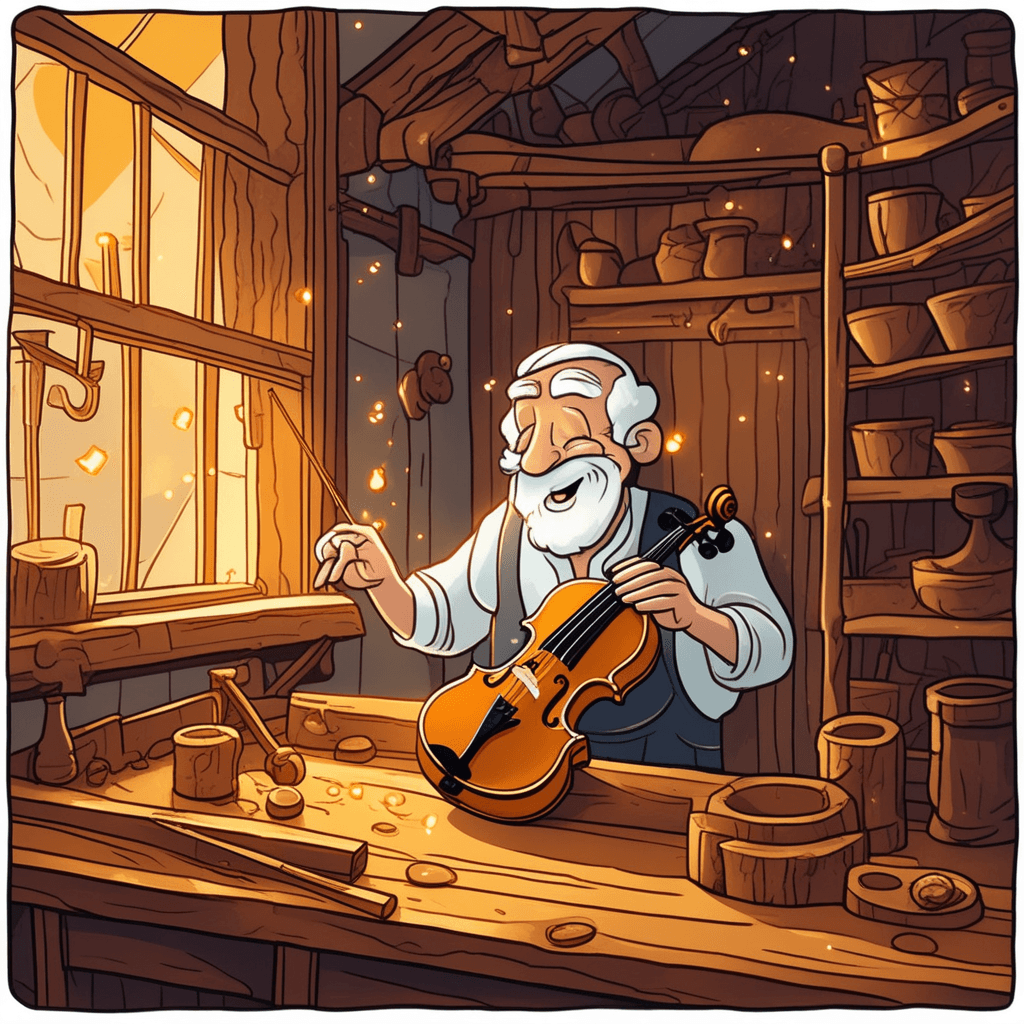
In amber light, he tests the timber for perfect timbre
Got the picture? Now let's practice.
🎤Pronunciation
🌳Etymology
Origin
From French 'timbre', which comes from Middle French and ultimately from Greek 'tympanon' meaning 'drum'. The word originally referred to the sound of a drum and evolved to mean the distinctive quality of any musical sound.
Breakdown
Greek tympanon (drum) → Middle French timbre (drum, bell sound) → French timbre → English timbre = the distinctive quality of tone in music
🎵Rhyme
🔗Collocations
📝Examples
“The singer's nasal timbre made everyone think of a cartoon duck.”
“Each instrument in the orchestra has its own unique timbre.”
“His guitar's timbre sounded like a cat walking on piano keys.”
“The timbre of her voice changed dramatically after the cold.”
📚Related Words
Want to master 27,000+ words?
Sign up free for flashcards & quizzes.