liberalisation — the process of removing or loosening restrictions on something, typically in economic or political contexts
Part of speech: NOUN
Definition: the process of removing or loosening restrictions on something, typically in economic or political contexts
Pronunciation (IPA): /ˌlɪbərəlaɪˈzeɪʃən/
Example Sentences
- After the liberalisation of the airline industry, ticket prices dropped faster than my diet resolutions in January.
- The government announced the liberalisation of foreign investment regulations.
- Banking liberalisation led to increased competition among financial institutions.
liberalisation
NOUN[/ˌlɪbərəlaɪˈzeɪʃən/]
the process of removing or loosening restrictions on something, typically in economic or political contexts
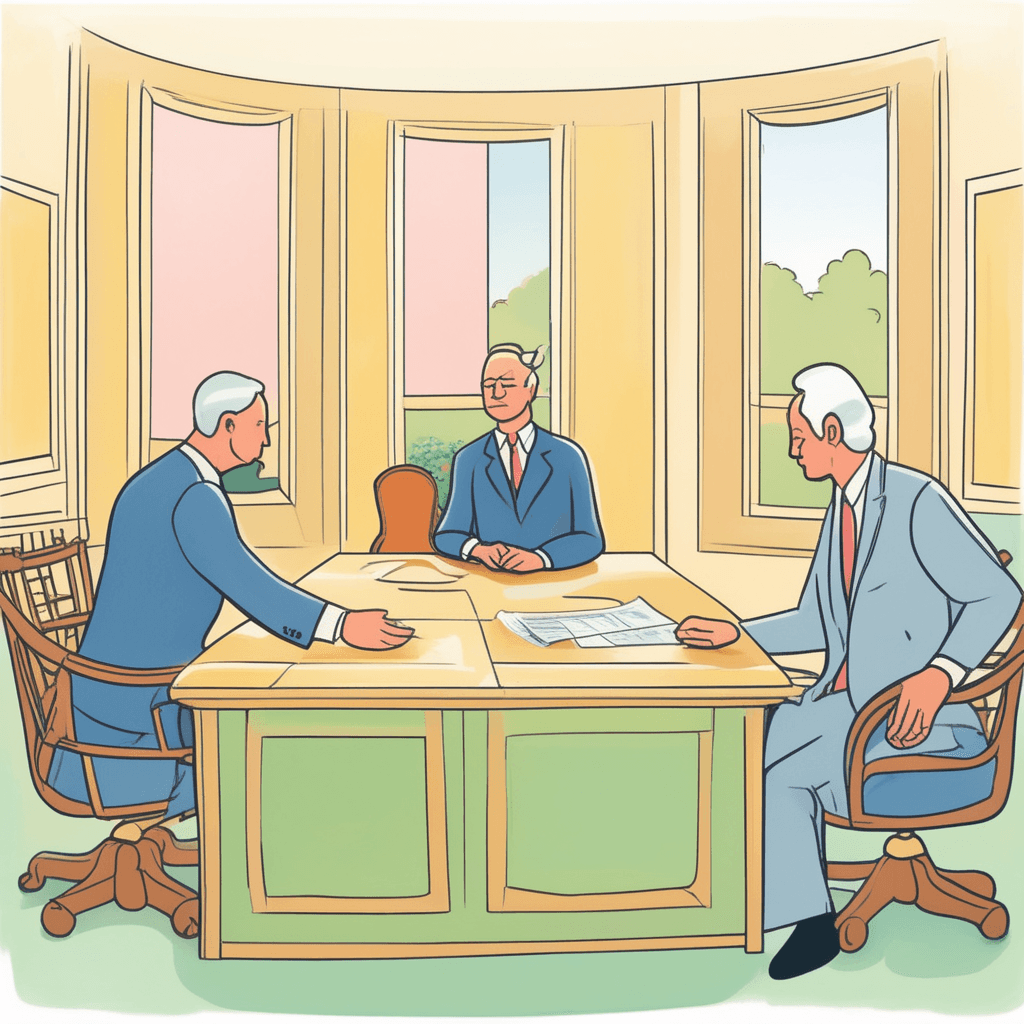
the process of removing or loosening restrictions on something, typically in economic or political contexts

Liberalisation leads to globalisation and modernisation!
Got the picture? Now let's practice.
🎤Pronunciation
🌳Etymology
Origin
The word derives from Latin 'liberalis' (free, befitting a free person), which entered English as the adjective 'liberal'. The verb 'liberalise' was formed by adding the verbal suffix '-ise', and the noun 'liberalisation' was subsequently created by appending the nominalising suffix '-ation', denoting the process or act of making something free or less restrictive.
Breakdown
liberal- (from Latin liberalis, meaning free) + -ise (verb-forming suffix) + -ation (noun-forming suffix indicating process or result).
🎵Rhyme
🔗Collocations
📝Examples
“After the liberalisation of the airline industry, ticket prices dropped faster than my diet resolutions in January.”
“The government announced the liberalisation of foreign investment regulations.”
“Banking liberalisation led to increased competition among financial institutions.”
“The liberalisation of media ownership rules changed the broadcasting landscape dramatically.”
📚Related Words
Want to master 27,000+ words?
Sign up free for flashcards & quizzes.